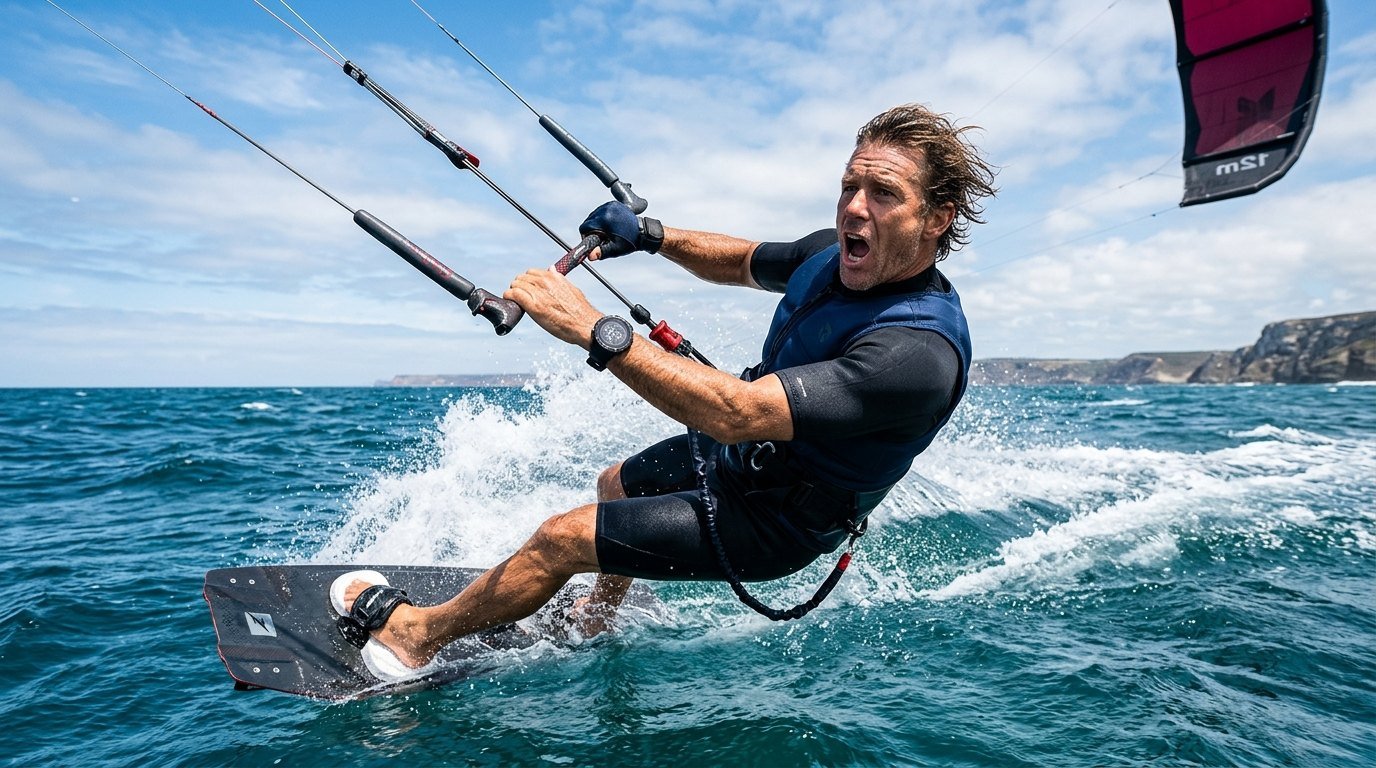
VO2 max is the maximum amount of oxygen your body can use during hard exercise. It's basically the size of your engine: how much work your heart, lungs and muscles can do together. And it turns out to be one of the most powerful longevity markers ever measured.
1. Why It Matters So Much
The Study That Changed the Conversation
In 2018, researchers at the Cleveland Clinic followed more than 122,000 people who had done treadmill fitness tests (Mandsager et al., JAMA Network Open). The least fit group had about five times the risk of death of the fittest group. Low fitness was linked to a risk as large as, or larger than, smoking, diabetes or heart disease. And there was no upper limit: the fitter people were, the better they did.
- It declines with age: Without training, VO2 max drops by roughly 10% per decade after about 30.
- It's very trainable: Consistent training slows that decline dramatically. Fit 60-year-olds often beat sedentary 40-year-olds.
- It shows up on the water: A bigger engine means you recover faster between runs, stay sharp in long sessions and still have legs for the last hour of wind.
2. Does Kiting Build VO2 Max?
Partly. Powered riding, jumping and constant edging push your heart rate up, especially in waves and strong wind. But kiting is irregular: long cruises, short bursts, and on light-wind days not much at all. To really move the number, add two kinds of training off the water:
1. Zone 2: The Base
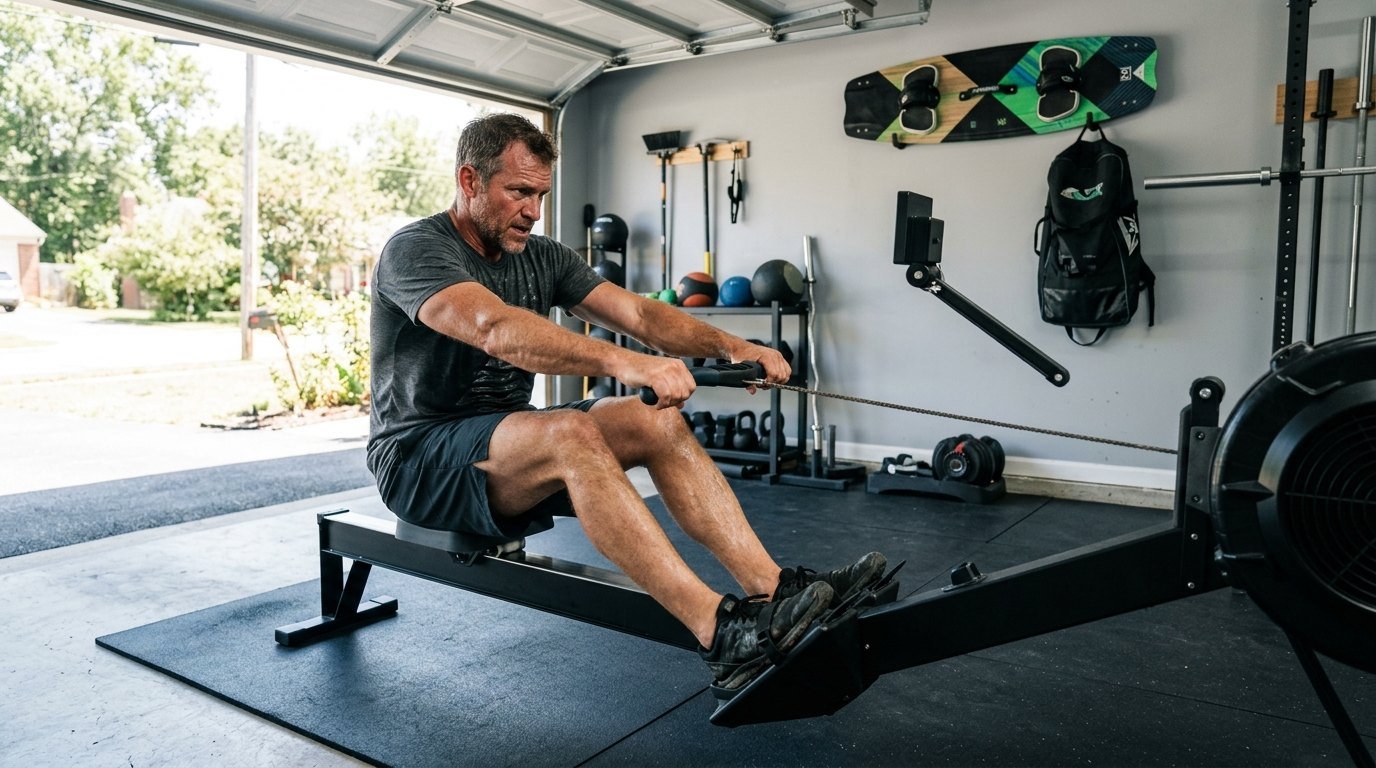
Cycling, running, hiking, rowing, swimming. Easy, steady effort where you can still talk in full sentences. It builds mitochondria and the aerobic base everything else sits on.
2. The Norwegian 4x4: The Ceiling
After a 10-minute warm-up, go hard for 4 minutes (about 85 to 95% of your max heart rate, breathing too hard to talk), then 3 minutes of easy recovery. Repeat four times. Research from the Norwegian University of Science and Technology (Helgerud et al., 2007) found this kind of interval training raised VO2 max more than steady training of the same total work.
Kite tip: Hill repeats on a bike or a rowing machine work great. On flat days, it's the best 40 minutes you can spend.
3. Track It
- Your watch estimates it. Garmin, Apple, Polar and others estimate VO2 max from your heart rate and pace. It's not lab-accurate, but the trend is useful. Watch it climb.
- Resting heart rate drops as your fitness improves, which is another easy number to follow.
- Heart rate on familiar efforts: If the same hill or the same session costs fewer beats per minute than last month, your engine is growing.
4. Helping From the Inside
Two areas of research are especially interesting for endurance:
- Dietary nitrate: Studies on beetroot juice and other nitrate sources have shown they can lower the oxygen cost of exercise, so the same effort feels easier. DoNotAge's Nitralis is a nitrate-based ingredient in the daily sachet and the Performance add-on.
- NMN: In a 2021 study, runners taking NMN for six weeks improved their aerobic capacity more than the placebo group (more in NMN & NAD+).
My own watch tells the story best: since adding the daily sachet to my training, my heart rate during hard efforts sits noticeably lower than it used to, and my HRV and resting numbers have improved. Same sessions, less strain.
Build a Bigger Engine (10% Off)
The DoNotAge daily sachet includes Nitralis, NMN and CoQ10 for cellular energy, and the Performance add-on brings extra Nitralis, creatine and NAC. Use discount code KITEHOMIEZ at checkout for 10% off your entire order.
Shop DoNotAge →Free: The Kiter's 10-Minute Flexibility Routine
The mobility and core routine we use before and after sessions, as a free PDF. Plus new videos and posts every few weeks.
This article is for general education and isn't medical advice. Talk to your doctor before starting a supplement or a fasting routine, especially if you are pregnant, have a medical condition or take medication. Some links on this page are affiliate links: if you buy through them, we earn a small commission at no extra cost to you.